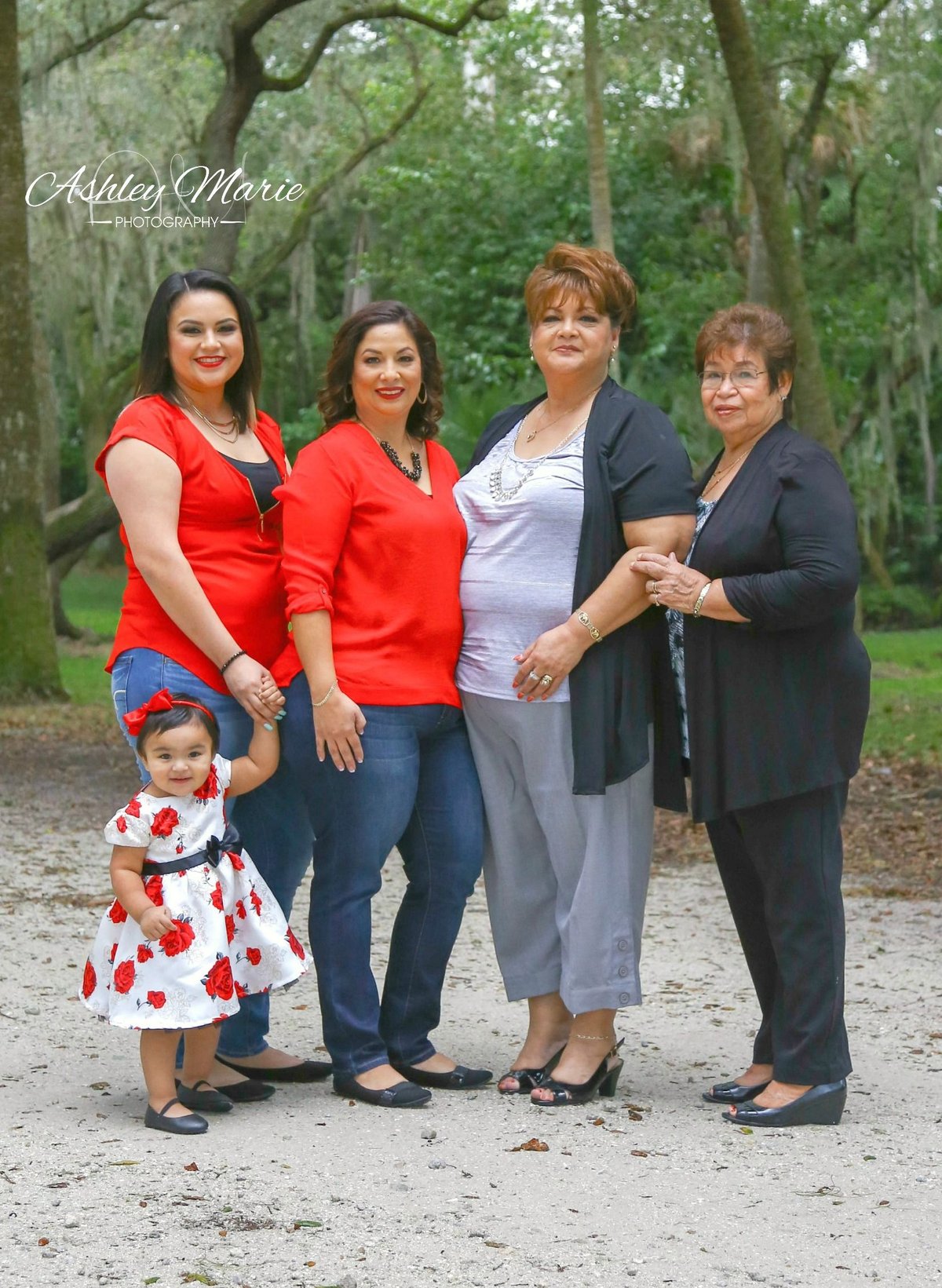
Imagine a workplace where a wealth of experience meets fresh, digital-native innovation. For the first time in history, we have five distinct generations working side-by-side, creating an unparalleled opportunity for rich diversity of thought and competitive advantage. This isn't just a demographic shift; it's a chance to foster stronger teamwork, boost productivity, and spark incredible creativity, provided we approach it with respect, care, and a human-first mindset.
Bridging generational differences means moving beyond assumptions and implicit biases. It means understanding that each generation's experiences have shaped their values, communication styles, and work preferences. When we commit to transparent communication and empathy, we unlock the full potential of this diverse landscape, transforming potential friction into powerful collaboration.
The Rich Tapestry of Our Multi-Generational Workforce
Each generation brings unique strengths, perspectives, and experiences to the table, creating a vibrant mosaic within our organizations. Recognizing and valuing these individual contributions is the first step toward a truly cohesive and dynamic work environment.
Traditionalists (The Silent Generation): Pillars of Experience
Born between 1925 and 1945, Traditionalists value loyalty, discipline, hard work, and respect for rules. They thrive in structured environments with clear expectations and often prefer fixed schedules, bringing invaluable industry knowledge and a transactional work style. To retain these seasoned professionals, recognize their contributions, involve them in decision-making, and tap into their vast experience as mentors. Their reliability, loyalty, and strong communication skills are unmatched.
Baby Boomers: Driven and Dedicated
Emerging from 1946 to 1964, Baby Boomers are known for their deep industry knowledge and unwavering commitment. They value hard work, paying their dues, and often respond well to authoritative leadership, demonstrating strong loyalty to employers. They appreciate structure, clear goals, and specific deadlines, and thrive on recognition for their ambitious efforts. Boomers often maintain human connections with less reliance on technology, offering a grounded perspective. Promotions and professional development are key to keeping them engaged, leveraging their commitment, experience, and mentorship capabilities.
Generation X (Gen X): Independent and Adaptable
Born between 1965 and 1980, Gen Xers possess a strong work ethic but prioritize flexibility, work-life balance, and personal development. They are comfortable with telecommuting and informal work styles, making them independent, adaptable problem-solvers. This highly educated and entrepreneurial generation values diversity, seeks immediate and clear feedback, and often challenges authority to empower themselves with information. They are critical thinkers and thrive in multi-generational, collaborative environments. Strong personal development initiatives are crucial for their retention.
Millennials (Generation Y): Purpose-Driven Innovators
The first "digital natives," Millennials (born 1981-1996) faced significant technological shifts and economic challenges, shaping their desire for meaning and fulfillment in their careers. They prioritize sustainability, work-life balance, and a sense of belonging over mere profits. Millennials thrive with clear career growth paths, professional development, promotion opportunities, and team-building activities. Flexibility, remote work, and time for self-care are essential to prevent burnout. They seek job security and comprehensive benefits, making a mix of financial security and goal-setting for purpose vital for their retention. Their adaptability, creativity, and results-oriented approach are powerful assets. Just as we seek to understand the immediate generations around us in the workplace, there's a profound value in understanding the longer lineage that shaped us all. For those curious to delve deeper into their own personal history, you can start to Unlock your familys first five generations to connect with your personal history and the influences that made you.
Generation Z (Gen Z): Digital Natives and Empathetic Leaders
The newest entrants to the workforce (born 1997-2012), Gen Z are entrepreneurial, independent, and competitive digital natives. They prioritize personal connection, empathy, open communication, and mental health, often wanting to discuss personal values with management. They seek non-traditional and flexible work schedules, preferring video calls, 1:1 meetings, and social activities to build interpersonal relationships. They also look for job security through training and mental health support. To engage them, provide mentorships, wellness programs, and ample career development opportunities, harnessing their entrepreneurial spirit, open-mindedness, and flexibility.
Bridging Divides: Strategies for a Cohesive Workplace
Successfully uniting these five generations requires intentional effort and proactive strategies designed to foster understanding and collaboration.
- Hold Training Sessions: Encourage horizontal information exchange by inviting members from each generation to lead sessions based on their unique skills and expertise. This creates an open learning environment where everyone can teach and learn from one another, breaking down silos and building mutual respect.
- Open Up Communication: Effective communication is the bedrock of any successful team. Ask team members about their preferred communication methods—whether it's email, group chats, or in-person meetings—and be adaptable. Being open to different formats prevents miscommunications and genuinely shows value for individual communication styles.
- Don't Judge, Understand: Actively listen and maintain an open mind to truly understand different perspectives. Generational experiences deeply shape how individuals view the world and work. Use team development exercises, collaborative projects, and upward communication channels to overcome implicit biases and foster cross-generational teamwork. This often means older generations may need to unlearn old habits, while younger generations embrace different viewpoints. And just as we refine our understanding of workplace dynamics, building a richer context often involves deeper investigation. To truly Master advanced ancestry research Explore advanced to understand your lineage, we recommend diving into comprehensive research, a skill valuable in both personal and professional contexts.
- Rethink Benefits: One-size-fits-all benefits packages are a thing of the past. Tailor benefits to different age groups by conducting employee feedback surveys and in-depth exit interviews. This ensures that everyone's diverse needs, from childcare support to retirement planning, are genuinely met, showing employees they are valued.
- Foster Mentorship: Intentionally identify experienced mentors to impart wisdom and guidance to younger generations. This creates invaluable learning opportunities, transfers institutional knowledge, and builds strong intergenerational bonds. Mentorship isn't just one-way; reverse mentorship can also be incredibly beneficial, with younger employees teaching older ones new technologies or trends. Understanding the unique makeup of our teams, much like Leveraging DNA for Generational Discovery can reveal hidden connections and shared traits that bind us, offering fresh perspectives on collaboration and individual strengths.
- Leverage Strengths: Actively invite Gen Xers, Millennials, and Gen Z to bridge technology gaps for older generations, while encouraging more experienced team members to share their industry wisdom. Embracing and leveraging the diverse skills and experiences present in your workforce amplifies overall team capability and innovation.
Overcoming Challenges and Building a Shared Future
The path to a fully integrated multi-generational workforce isn't without its hurdles. Implicit biases, varied communication styles, and different work preferences can create friction if not proactively addressed. Every organization faces its unique 'brick walls' in achieving seamless intergenerational collaboration. Just as researchers Overcome generational research brick walls in their historical quests, we too must apply persistent effort and creative solutions to workplace challenges, ensuring open and transparent communication.
The key lies in developing genuine empathy and a willingness to understand the "why" behind different approaches. When we move beyond superficial judgments and delve into the lived experiences that shape each generation, we create a foundation for respect and stronger, more effective team collaboration. This journey requires humility, patience, and a commitment from every individual and leader to foster an inclusive environment.
The Lasting Impact: Cultivating a Legacy of Connection
A multi-generational workforce, when nurtured intentionally, becomes a powerful engine for innovation, resilience, and sustainable growth. By embracing the unique contributions of Traditionalists, Baby Boomers, Gen X, Millennials, and Gen Z, organizations can unlock new levels of creativity, problem-solving, and employee engagement. This intentional approach not only improves productivity but also builds a more vibrant and supportive company culture that attracts and retains top talent.
Ultimately, the goal is to create a thriving, inclusive environment that not only succeeds today but also builds a lasting legacy for the future. It's about consciously shaping the narrative of your organization, much like you would Preserve your 5-generation story, ensuring that the wisdom, efforts, and connections of every generation are recognized and passed on, building a foundation for future success.
The modern workplace presents an incredible opportunity to leverage generational diversity as a true competitive advantage. By focusing on understanding, empathetic communication, and tailored strategies, leaders can forge powerful connections across the ages, creating an environment where every generation feels valued, engaged, and empowered to contribute their best. This isn't just about managing differences; it's about celebrating the rich tapestry of human experience and building a stronger, more innovative future together.